


Functional Rhinoplasty: Enhancing Nasal Breathing and Quality of Life through Expert Surgical Care
Functional rhinoplasty is a specialized surgical procedure designed to improve nasal breathing and address structural issues within the nose. This type of surgery not only enhances airflow but also significantly impacts the overall quality of life for individuals suffering from nasal obstructions. Many patients experience difficulties in breathing due to conditions such as a deviated septum or other anatomical abnormalities. This article will explore the various aspects of functional rhinoplasty, including its benefits, surgical techniques, and the importance of choosing the right surgeon for optimal results. Key sections will cover functional improvements, comprehensive assessments, surgical techniques, postoperative care, long-term results, and the overall impact on quality of life.
Indeed, studies consistently highlight the significant positive impact of functional rhinoplasty on a patient’s overall quality of life.
Functional Rhinoplasty Improves Patient Quality of Life
Functional rhinoplasty could statistically significantly improve quality of life of patients. However, given the number and quality of included research, further thorough studies with a larger sample size of high-quality studies need to be conducted.
The effect of functional rhinoplasty on quality of life: a systematic review and meta-analysis, 2024
Functional Improvements
Functional rhinoplasty primarily focuses on correcting structural issues that impede breathing. This procedure addresses both aesthetic and functional concerns, ensuring that patients not only look better but also breathe better. By correcting a deviated septum, improving nasal valve function, and enhancing airflow through the nasal passages, patients can experience significant relief from chronic nasal obstruction. The benefits of functional rhinoplasty extend beyond mere aesthetics; they can lead to improved sleep quality, reduced snoring, and enhanced emotional well-being.
Research further supports the efficacy of functional rhinoplasty in improving nasal breathing and sleep quality.
Functional Rhinoplasty: Improving Nasal Breathing & Sleep Quality
worse breathing due to interference with the nasal valve. Repairing the deviation may increase the area of the internal nasal valve, dramatically decreasing resistance and improving
Impact of treatment for nasal cavity disorders on sleep quality: systematic review and meta-analysis, A Li, 2022
Dr. Bahman Guyuron, a leading expert in facial plastic surgery, has over four decades of experience in performing functional rhinoplasty. His innovative techniques and commitment to patient care have earned him recognition from prestigious organizations such as the American Association of Plastic Surgeons and the American Society of Plastic Surgeons. Patients seeking to improve their breathing and quality of life can benefit from a consultation with Dr. Guyuron at Zeeba Clinic and Medspa.
Comprehensive Assessment
A thorough assessment is crucial for determining the appropriate surgical approach for functional rhinoplasty. During the initial consultation, the surgeon evaluates the patient’s medical history, discusses their specific concerns, and conducts a physical examination of the nasal structures. This comprehensive evaluation helps tailor the surgical plan to meet the individual needs of each patient.
Advanced diagnostic tools, such as preoperative CT scans, are increasingly recognized for their role in enhancing surgical precision and planning.
Preoperative CT for Precision Functional Rhinoplasty
Preoperative nasal CT in open structured rhinoplasty significantly enhances surgical precision, optimizing functional and aesthetic outcomes. This study underscores the utility of preoperative CT in individualized surgical planning, suggesting its pivotal role in the advancement of rhinoplasty practices.
Optimizing precision rhinoplasty: comprehensive preoperative planning with nasal computed tomography for functional and aesthetic enhancement, 2024
The assessment process also includes a discussion of both cosmetic and functional goals. Understanding the patient’s expectations and desired outcomes is essential for achieving satisfactory results. By addressing both the aesthetic and functional aspects of the nose, surgeons can create a balanced approach that enhances overall facial harmony while improving breathing.
Improve Nasal Breathing with Functional Rhinoplasty
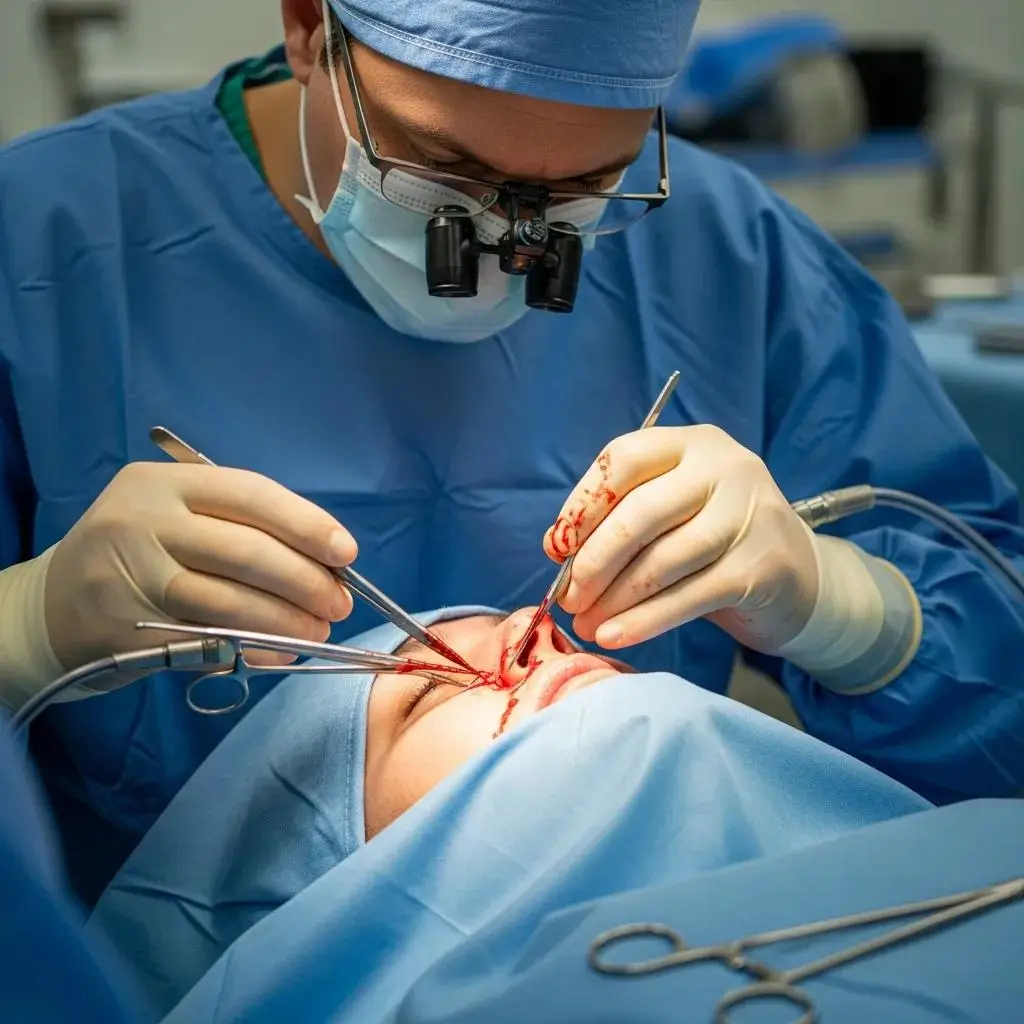
Functional rhinoplasty employs various surgical techniques to achieve optimal results. The choice of technique depends on the specific issues being addressed and the individual anatomy of the patient. Common techniques include:
- Open Rhinoplasty: This approach involves making an incision across the columella, allowing for greater visibility and access to the nasal structures. It is often used for more complex cases.
- Closed Rhinoplasty: In this technique, incisions are made inside the nostrils, resulting in no visible scarring. It is typically used for less complicated procedures.
- Septoplasty: This procedure specifically corrects a deviated septum, improving airflow through the nasal passages.
- Nasal Valve Repair: This technique addresses issues with the nasal valves, which can significantly impact breathing.
The precision and skill required for these techniques highlight the importance of selecting a qualified surgeon with extensive experience in functional rhinoplasty.
Postoperative Care

Postoperative care is essential for ensuring a smooth recovery and optimal results following functional rhinoplasty. Patients are typically advised to follow specific guidelines to promote healing and minimize complications. Key aspects of postoperative care include:
- Use of Innovative Devices: Devices like the Bstent can aid in maintaining proper nasal structure during the healing process.
- Follow-Up Appointments: Regular check-ups with the surgeon are crucial for monitoring recovery and addressing any concerns that may arise.
- Managing Complications: Patients should be aware of potential complications, such as infection or excessive swelling, and know when to seek medical attention.
By adhering to postoperative care instructions, patients can enhance their recovery experience and achieve the best possible outcomes from their surgery.
Long-term Results
The long-term results of functional rhinoplasty can be profound, with many patients reporting significant improvements in both appearance and breathing. Recovery timelines vary, but most individuals can expect to see noticeable changes within a few weeks, with full results becoming apparent over several months.
Patients often experience enhanced nasal function, leading to better sleep quality and reduced snoring. Additionally, the psychological benefits of improved appearance and self-esteem can contribute to an overall better quality of life. Long-term success rates for functional rhinoplasty are generally high, making it a reliable option for those seeking relief from nasal obstruction.
Quality of Life
Improving nasal breathing through functional rhinoplasty can have a significant impact on overall quality of life. Many individuals who suffer from nasal airway obstruction experience a range of issues, including poor sleep quality, fatigue, and decreased emotional well-being. By addressing these concerns, functional rhinoplasty can lead to:
- Better Sleep Quality: Improved airflow can reduce sleep apnea and snoring, allowing for more restful sleep.
- Enhanced Emotional Well-Being: Patients often report increased confidence and satisfaction with their appearance, contributing to improved mental health.
- Reduced Symptoms of Nasal Obstruction: Relief from chronic congestion and difficulty breathing can enhance daily activities and overall enjoyment of life.
The transformative effects of functional rhinoplasty extend beyond physical improvements, positively influencing various aspects of a patient’s life.
What is Functional Rhinoplasty and How Does It Improve Breathing?
Functional rhinoplasty is a surgical procedure aimed at correcting structural abnormalities in the nose that hinder proper airflow. By addressing issues such as a deviated septum, nasal valve collapse, and other anatomical variations, this surgery enhances breathing efficiency. The procedure not only improves airflow but also alleviates symptoms associated with nasal obstruction, such as chronic congestion and sleep disturbances. Patients can expect significant improvements in their ability to breathe comfortably, leading to a better quality of life.
Who is a Candidate for Functional Rhinoplasty and Deviated Septum Correction?
Candidates for functional rhinoplasty typically include individuals experiencing chronic nasal obstruction due to structural issues. Common symptoms that may indicate the need for surgery include:
- Persistent nasal congestion
- Difficulty breathing through the nose
- Frequent sinus infections
- Snoring or sleep apnea
A thorough evaluation by a qualified surgeon is essential to determine the appropriateness of functional rhinoplasty for each patient. Accurate diagnosis and tailored treatment plans are crucial for achieving successful outcomes.
Understanding Nasal Airway Obstruction and Its Impact on Health
Nasal airway obstruction can significantly impact an individual’s health and well-being. Symptoms often include difficulty breathing, chronic congestion, and sleep disturbances. These issues can lead to a range of health problems, including:
- Increased Risk of Sinus Infections: Blocked nasal passages can create an environment conducive to infections.
- Sleep Disorders: Conditions like sleep apnea can arise from inadequate airflow during sleep, leading to fatigue and other health complications.
- Reduced Quality of Life: Chronic nasal obstruction can affect daily activities, social interactions, and overall emotional well-being.
Understanding the implications of nasal airway obstruction underscores the importance of seeking treatment through functional rhinoplasty.
Key Surgical Techniques in Functional Rhinoplasty for Breathing Improvement
Several key surgical techniques are employed in functional rhinoplasty to enhance breathing. These techniques are designed to address specific anatomical issues that contribute to nasal obstruction. Some of the most common methods include:
- Septoplasty: This procedure corrects a deviated septum, allowing for improved airflow through the nasal passages.
- Turbinoplasty: This technique reduces the size of the turbinates, which can become enlarged and obstruct airflow.
- Nasal Valve Repair: Addressing issues with the nasal valves can significantly improve breathing efficiency.
By utilizing these techniques, surgeons can effectively restore proper nasal function and enhance the patient’s overall quality of life.
How Does Functional Rhinoplasty Address Migraine Relief?
Interestingly, functional rhinoplasty may also provide relief for individuals suffering from migraines. Research indicates that anatomical variations in the nasal structures can contribute to migraine symptoms. By correcting these variations through surgical intervention, patients may experience a reduction in the frequency and severity of their migraines. Dr. Guyuron’s innovative techniques in migraine surgery have positioned him as a pioneer in this field, offering hope to those who suffer from chronic headaches linked to nasal anatomy.
What Are the Expected Outcomes and Benefits of Functional Rhinoplasty?
The expected outcomes of functional rhinoplasty are multifaceted, encompassing both physical and psychological benefits. Patients can anticipate:
- Improved Nasal Function: Enhanced airflow and reduced obstruction lead to better breathing.
- Aesthetic Enhancements: Many patients also experience improvements in the appearance of their nose, contributing to increased self-esteem.
- Long-term Success Rates: Studies indicate high satisfaction rates among patients who undergo functional rhinoplasty, with many reporting lasting benefits.
For those considering this procedure, scheduling a consultation with Dr. Guyuron can provide valuable insights into the potential benefits and expected outcomes tailored to individual needs.
What Does Recovery from Functional Rhinoplasty Involve?
Recovery from functional rhinoplasty typically involves a structured process to ensure optimal healing. Patients can expect:
- Initial Swelling and Discomfort: Swelling is common in the first few days post-surgery, and pain can be managed with prescribed medications.
- Follow-Up Appointments: Regular check-ups with the surgeon are essential for monitoring recovery and addressing any concerns.
- Gradual Return to Normal Activities: Most patients can resume light activities within a week, with full recovery taking several weeks.
By adhering to postoperative care instructions, patients can enhance their recovery experience and achieve the best possible outcomes from their surgery.
How to Choose the Right Surgeon for Functional Rhinoplasty?
Selecting the right surgeon for functional rhinoplasty is crucial for achieving successful results. Key factors to consider include:
- Qualifications and Experience: Look for a surgeon with extensive experience in functional rhinoplasty and a strong track record of successful outcomes.
- Patient Testimonials: Reading reviews and testimonials from previous patients can provide insight into the surgeon’s skills and patient care.
- Consultation Process: A thorough consultation should include a discussion of your goals, concerns, and the surgeon’s approach to the procedure.
Dr. Bahman Guyuron’s credentials and experience at Zeeba Clinic and Medspa make him a trusted choice for those seeking functional rhinoplasty.
Credentials and Experience of Dr. Bahman Guyuron and Zeeba Clinic
Dr. Bahman Guyuron is a visionary in facial and neck plastic surgery, recognized for his innovative techniques and contributions to the field. With over four decades of experience, he has earned prestigious accolades from the American Association of Plastic Surgeons and the American Society of Plastic Surgeons. His commitment to patient care and surgical excellence has established Zeeba Clinic and Medspa as a leading destination for functional rhinoplasty.
Patient Testimonials and Before-and-After Results
Patient testimonials play a vital role in understanding the impact of functional rhinoplasty. Many individuals report life-changing results, including improved breathing, enhanced appearance, and increased confidence. Before-and-after photos often showcase the transformative effects of the procedure, highlighting the significant improvements in both function and aesthetics. These real-life experiences underscore the value of functional rhinoplasty in enhancing quality of life for patients.