

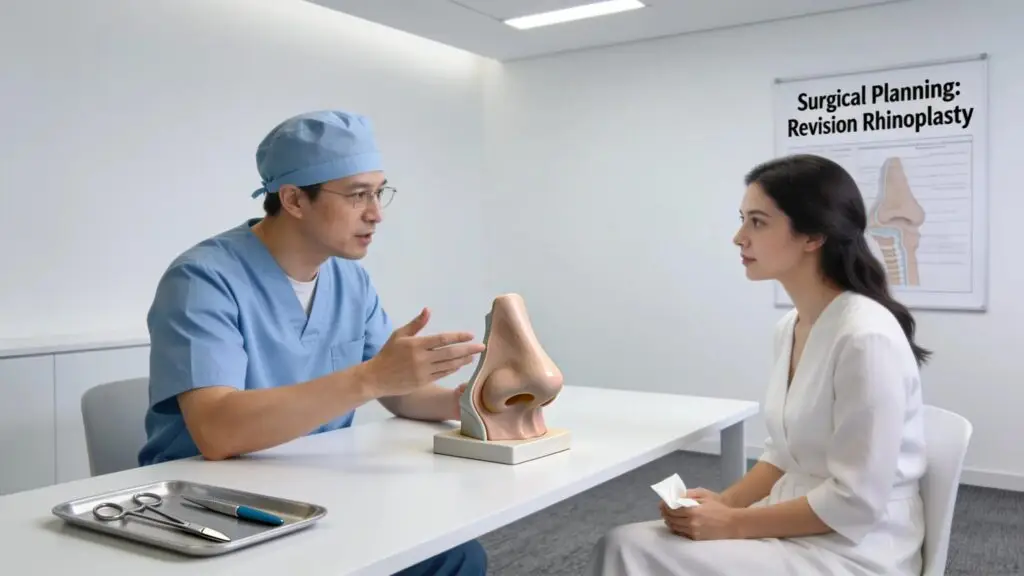
Revision Rhinoplasty Techniques, Cartilage Grafting, and Structural Nasal Reconstruction by Dr. Bahman Guyuron: Expert Surgical Approaches and Outcomes
By Bahman Guyuron, Zeeba Clinic & Medspa
Revision rhinoplasty represents a critical aspect of facial plastic surgery, aimed at correcting and refining the results of previous procedures. This specialized surgery addresses aesthetic and functional concerns that may have arisen from initial surgeries, ensuring both the appearance and health of the nasal structure are improved. In this comprehensive article, we delve into various revision rhinoplasty techniques, the pivotal role of cartilage grafting, and the methodologies involved in structural nasal reconstruction led by Dr. Bahman Guyuron, a renowned expert in the field. We will discuss the importance of meticulous surgical planning, the latest innovations in recovery, and the clinical outcomes of these procedures.
The need for revision rhinoplasty often stems from unsatisfactory results, complications, or changes in the nasal structure over time. Understanding the techniques involved in this process can empower patients to make informed decisions regarding their surgical options. This guide will cover the primary techniques used in revision rhinoplasty, the intricacies of cartilage grafting, and the benefits of structural nasal reconstruction, alongside Dr. Guyuron’s insights on managing risks and complications effectively.
Revision Rhinoplasty Techniques
Revision rhinoplasty techniques vary widely based on the individual’s specific needs and the nature of their prior surgeries. Each case requires a comprehensive evaluation to address the structural abnormalities as well as aesthetic concerns. Key techniques include direct alterations of the nasal tip and bridge, correction of deviations, and smoothing of irregularities created by previous procedures.
An essential aspect of these techniques is understanding the specific issues presented by prior surgeries. For example, some patients may experience functional obstructions that hinder breathing, which can be addressed through meticulous pre-surgical analysis. This understanding fosters a more patient-centric approach during consultations, ensuring that all expectations and potential outcomes are discussed.
Cartilage Grafting

Cartilage grafting is a fundamental component of revision rhinoplasty, essential for restoring structural integrity and improving function. Various grafting techniques are employed to address specific concerns, such as restoring nasal support or enhancing aesthetic appearance.
Which Cartilage Sources Are Preferred for Nasal Reconstruction?
There are several preferred cartilage sources for nasal reconstruction, each offering unique benefits. Common sources include:
- Septal Cartilage: Often harvested from the nasal septum, this type is readily accessible and has a low complication rate.
- Rib Cartilage: Provides significant support and is beneficial for extensive reconstructive procedures, though it requires a larger incision.
- Ear Cartilage: Useful for minor corrections, it is less invasive but may have limitations in availability.
Choosing the appropriate source involves weighing the benefits and drawbacks based on the individual patient’s requirements and the extent of the reconstruction.
How Does Cartilage Shaping Support Structural Nasal Stability?
Cartilage shaping is crucial for achieving optimal nasal functionality and aesthetic results. Techniques for effectively shaping cartilage can enhance nasal stability and support, particularly in cases where prior reshaping has compromised structural integrity.
Properly shaped grafts ensure that the nasal passages remain unobstructed while allowing for natural movement and appearance. The integration of grafts contributes significantly to the overall patient satisfaction by balancing functional improvements with desired aesthetic outcomes.
Structural Nasal Reconstruction
Structural nasal reconstruction focuses on rebuilding and enhancing the nasal framework to restore both functionality and beauty. This method is critical in revision rhinoplasty where the existing structure has been compromised.
Innovative approaches employed in structural reconstruction include methods that enhance breathing functionality while addressing aesthetic concerns. Techniques are tailored to meet the specific challenges posed by each patient’s anatomy. Dr. Guyuron’s expertise ensures that the most advanced techniques are utilized to achieve satisfactory results that align with patient goals.
Further insights into the precise application of structural cartilage grafts in both primary and secondary rhinoplasty underscore their importance in achieving predictable and sound outcomes.
Structural Cartilage Grafts in Primary and Secondary Rhinoplasty
This article describes the use of autologous, structural cartilage grafts in primary and secondary rhinoplasty. Emphasis is placed on the use of septal, auricular, and costal cartilage grafts to provide for a structurally sound skeletal framework and thereby a predictable postoperative result. Deformities of the middle and lower third of the nose are specifically addressed.Structural grafting in rhinoplasty, 2002
Clinical Outcomes
Clinical outcomes associated with revision rhinoplasty are closely monitored to evaluate the success of each procedure. Expectations for natural-looking results and enhanced patient satisfaction are paramount. Positive outcomes typically involve improved aesthetic results alongside better functional abilities, such as enhanced airflow through improved nasal structure.
Monitoring methods include comprehensive follow-ups and assessments to ensure patients are receiving the highest levels of care and addressing any potential complications that may arise.
Innovations in Recovery

Innovations in recovery protocols have transformed the post-operative experience for patients undergoing revision rhinoplasty. Techniques such as the introduction of advanced supportive devices can facilitate a smoother recovery process.
These approaches encourage healing and reduce discomfort, emphasizing the importance of a holistic recovery process. Incorporating such innovations not only aids in faster recovery but also enhances overall patient satisfaction.
What Are the Key Cartilage Grafting Techniques in Revision Rhinoplasty?
When discussing key cartilage grafting techniques, it is essential to recognize that each method serves distinct objectives within revision rhinoplasty. Techniques may include onlay grafting to add volume, strut grafting for structural support, or spreader grafting to optimize nasal width. Each approach aims to restore functionality while addressing aesthetic improvements.
How Does Structural Nasal Reconstruction Enhance Revision Rhinoplasty Outcomes?
Structural nasal reconstruction plays a vital role in enhancing revision rhinoplasty outcomes. By methodically rebuilding the structural framework, these techniques can lead to significant improvements in both aesthetic appearance and nasal function.
What Are the Common Risks and Complications in Revision Nose Surgery?
As with any surgical procedure, revision rhinoplasty carries inherent risks and potential complications, including infection, scarring, and dissatisfaction with the final appearance. Understanding these risks is critical for patients considering surgery.
Which Factors Contribute to Secondary Rhinoplasty Challenges?
Several factors may contribute to challenges during secondary rhinoplasty, including the extent of previous surgery, the quality of the remaining tissues, and patient health conditions. Proper assessment and planning are essential in mitigating these challenges.
How Are Complications Managed to Ensure Patient Safety?
Effective management of complications involves careful monitoring and follow-up care. Surgeons employ a variety of techniques to address any post-operative issues, ensuring patient safety and satisfaction throughout their recovery journey.
What Are the Patient Preparation and Consultation Guidelines for Revision Rhinoplasty?
Proper preparation and consulting guidelines are vital for successful revision rhinoplasty procedures. Patients should be thoroughly assessed for candidacy based on prior surgeries and current nasal structure.
How Is Patient Candidacy Assessed for Cartilage Grafting Procedures?
Assessing patient candidacy for cartilage grafting procedures involves evaluating prior surgical history, current nasal function, and aesthetic desires. Comprehensive consultations allow for personalized surgical plans that address individual needs.
What Preoperative Instructions Enhance Surgical Success?
Preoperative instructions are crucial for enhancing the success of the surgery. Patients are guided on medication management, dietary restrictions, and lifestyle adjustments to optimize their surgical outcomes.
How Does Revision Rhinoplasty Intersect with Migraine Relief Surgery?
Research has suggested a clinical link between nasal surgery and migraine treatment, particularly for patients experiencing chronic migraines potentially alleviated through structural corrections.
What Is the Clinical Link Between Nasal Surgery and Migraine Treatment?
The connection between nasal function and migraine relief underscores the importance of considering functional issues in the surgical approach.
How Is Combined Migraine and Nasal Reconstruction Performed Safely?
Combining migraine relief procedures with nasal reconstruction requires a meticulous approach to ensure both safety and efficacy in outcomes.
What Are the Recovery Expectations and Long-Term Outcomes After Revision Rhinoplasty?
Recovery expectations are essential for patient understanding post-surgery. Generally, full recovery may take extensive periods, with most patients experiencing initial swelling that gradually subsides.
What Is the Typical Healing Timeline for Cartilage Graft Integration?
Typically, cartilage graft integration can take several weeks, as the body adapts to and integrates the newly positioned graft material. Continuous monitoring is important during this phase to ensure successful healing.
How Are Patient Outcomes Monitored and Assessed Over Time?
Long-term monitoring of patient outcomes is key to assessing the success of revision rhinoplasty and any grafting procedures undertaken. Follow-up appointments ensure that ongoing care is delivered effectively. For more information and to schedule a consultation, please contact.
To learn more about the expert approaches and comprehensive care offered, visit the main website Dr. Bahman Guyuron.