

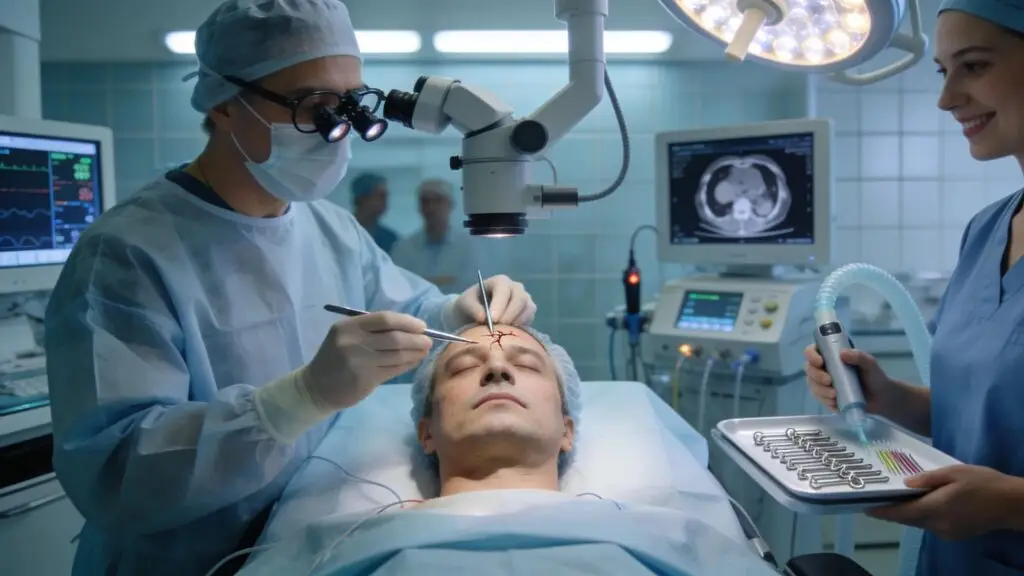
Surgical Treatment of Migraines & Trigger Site Decompression Surgery by Dr. Bahman Guyuron: Comprehensive Patient Guide
By Bahman Guyuron, Zeeba Clinic & Medspa
Migraines are debilitating, affecting millions and causing significant disruption in daily life. This guide offers an in-depth look at the surgical treatment of migraines, specifically focusing on trigger site decompression surgery. Readers will learn how this innovative approach can alleviate chronic migraine symptoms and improve quality of life. Migraines often lead to a search for effective treatments, both conservative and surgical, with each option carrying its own advantages and challenges. Understanding the intricacies of trigger site decompression surgery, as pioneered by Dr. Bahman Guyuron, provides potential patients with valuable insights into their options. Throughout this guide, we will explore the procedure, recovery expectations, eligibility, and consultation processes while integrating the expertise of Dr. Guyuron in the discussion.
Overview of Migraine Surgery
Migraine surgery encompasses various surgical interventions aimed at providing relief to chronic migraine sufferers. Surgical treatments, including trigger site decompression surgery, seek to address specific anatomical issues contributing to migraine pain. Dr. Bahman Guyuron has pioneered this approach, relying on his extensive experience to optimize patient outcomes. Understanding the significance of identifying trigger sites can lead to more effective treatments for individuals who have not found relief through conventional therapies.
This innovative surgical method is gaining recognition for its effectiveness in addressing chronic migraine pain.
Migraine Surgery: Efficacy of Trigger Site Deactivation
With confirmation of the efficacy of surgical deactivation of migraine trigger sites, we are seeing increasing recognition and acceptance of this treatment modality among both plastic and neurological surgeons, as well as by the lay public. It is imperative that this procedure be performed by a plastic surgeon with a thorough understanding of facial anatomy and migraine headache pathology to ensure optimal outcomes and minimize complications. Migraine surgery: a plastic surgery solution for refractory migraine headache, 2011
Treatment Options
There are several treatment options available for individuals suffering from chronic migraines. Surgical intervention may come into play when conservative methods fail. This can include:
- Trigger Site Decompression Surgery: Focuses on releasing compressed nerves believed to trigger migraines.
- Nerve Block Injections: Temporary relief by blocking pain signals through targeted injections.
- Medications: A wide array of both preventive and acute medications are available, tailored to the patient’s needs.
- Lifestyle Modifications: Incorporating dietary changes, exercise regimens, and stress management strategies can complement other treatments.
Each treatment option has unique benefits and may be utilized based on individual patient histories and preferences.
For those considering surgical options, identifying specific trigger points is a crucial step in determining candidacy and tailoring treatment.
Surgical Decompression of Migraine Trigger Sites
The surgical treatment of migraine headaches currently involves operative decompression of 4 major peripheral trigger sites in the frontal, temporal, rhinogenic, and occipital regions. Patients who are candidates for surgical treatment are those who have demonstrated temporary improvement in their migraine headaches following local anesthetic injections at the proposed trigger sites that will be amenable to surgical decompression. Author Information Columbus, Ohio; Dallas, Tex.; Washington, DC; St. Louis, Mo.;
Cleveland, Ohio, 2014
Procedural Details
Trigger site decompression surgery involves the careful identification of specific nerves associated with migraine pain, such as the greater occipital and supraorbital nerves. The procedure typically requires general anesthesia and follows a minimally invasive technique for optimal recovery times. The surgery is performed through small incisions, allowing Dr. Guyuron to release the surrounding tissue that may be compressing these nerves. Post-operative procedures are essential for ensuring the healing process is supported effectively, with a focus on managing pain and encouraging recovery.
How Does Trigger Site Decompression Surgery Work to Relieve Migraines?
The surgery works by relieving pressure on specific nerves often implicated in migraine attacks. When these nerves become compressed, they can send pain signals even in the absence of a primary trigger. By decompressing these nerves, patients often experience significant reductions in both the frequency and severity of migraine episodes, leading to improved quality of life.
What surgical techniques does Dr. Bahman Guyuron use for decompression?

Dr. Guyuron employs advanced surgical techniques that leverage less invasive methods. These techniques focus on minimizing recovery times while ensuring that the nerves are adequately relieved from compression. His extensive experience informs his techniques, typically resulting in high patient satisfaction and reduced complications.
Recovery Expectations

Following trigger site decompression surgery, patients can expect to experience some level of discomfort, which is normal and can be managed effectively with prescribed medications. The initial recovery period lasts approximately 1-2 weeks, during which patients may need to limit physical activity to facilitate healing. Regular follow-up appointments with Dr. Guyuron or the clinic’s staff will allow for optimal assessment of recovery progress and management of any concerns that may arise.
What post-surgical migraine relief rates have clinical studies shown?
Clinical studies have demonstrated varying success rates, with many patients reporting significant improvement in their migraine symptoms post-surgery. Success rates can be as high as 70-80%, indicating a substantial potential benefit for those who opt for this surgical route. These findings encourage consultation with professionals like Dr. Guyuron to assess candidacy and potential outcomes.
What does patient recovery and post-operative care involve?
Post-operative care is essential for ensuring successful recovery. Patients are typically advised to follow specific guidelines that may include:
- Resting during the initial days post-surgery.
- Gradually reintroducing physical activities as advised by the physician.
- Attending follow-up appointments for monitoring and adjusting any medications.
These steps help patients recover effectively while addressing their migraine concerns.
Potential Outcomes
Patients undergoing trigger site decompression surgery can look forward to potential improvements in their migraine symptoms and overall quality of life. Success rates are encouraging, and many report sustained relief many months after the procedure. Long-term effects might include a reduction in the reliance on medication as the frequency and severity of migraines decline.
For many individuals, this surgical intervention provides a welcome alternative to traditional therapies that may have proven unsuccessful.
doubtless
Surgical Nerve Decompression for Chronic Migraine
Chronic migraine headaches affect nearly 30 million Americans every year and are responsible for roughly 1.2 million emergency department visits annually. Many of the standard therapies commonly used to treat migraines are often unsuccessful and may furthermore introduce unwanted side effects. The purpose of this study was to identify independent predictors of clinical improvement in patients undergoing surgical nerve decompression for migraine. Clinical outcome of nerve decompression surgery for migraine improves with nerve wrap, 2021
What are the expected success rates of the surgical treatment?
The expected success rates of trigger site decompression surgery are noteworthy, with clinical evidence suggesting an approximately 70-80% improvement in migraine frequency and intensity. This means that for many individuals, the outcomes of surgery can be life-changing, allowing them to reclaim activities that migraines once hindered.
How can this surgery enhance the quality of life for patients?
The surgery has the potential to transform the lives of individuals who suffer from chronic migraines. By significantly reducing the frequency of migraine attacks, patients can engage more fully in daily activities, work, and social interactions, ultimately enhancing their overall quality of life.
Patient Eligibility
Determining eligibility for trigger site decompression surgery involves a comprehensive evaluation of each patient’s medical history and migraine patterns. Candidates typically include those who have experienced chronic migraines, defined as 15 or more headache days per month, and who have not responded satisfactorily to conventional treatments.
What patient selection criteria are used before surgery?
The criteria for patient selection include:
- Chronic Migraine History: Patients must demonstrate a pattern of chronic migraines.
- Response to Other Treatments: History of inadequate relief from medications and other conservative treatments is necessary.
- Overall Health Assessments: Evaluating the patient’s overall health to mitigate the risks associated with surgery.
These criteria help ensure that only appropriate candidates proceed to surgery.
Risks and Considerations
As with any surgical procedure, trigger site decompression surgery carries certain risks and considerations that patients should be aware of. Severe complications are rare, but patients must be informed of potential risks such as infection, nerve damage, and anesthesia-related complications.
Possible complications during and post-surgery
- Infection: As with any surgical procedure, there is a risk of infection at the incision site.
- Nerve Damage: Unintended nerve damage may occur, impacting sensory or motor functions.
- Anesthesia Risks: Potential adverse reactions to anesthesia must be considered.
Understanding these risks allows patients to make more informed decisions regarding surgery.
Consultation Process
The consultation process is crucial for assessing a patient’s candidacy for trigger site decompression surgery. During this phase, patients will discuss their medical histories, migraine patterns, and prior treatment attempts with Dr. Bahman Guyuron.
What happens during the patient consultation?
During the consultation, discussions typically include:
- Initial Discussion: Outlining the patient’s history and current migraine status.
- Health Assessment: Evaluating overall health and any underlying issues that could affect surgery.
- Final Decision-Making: Deciding the best course of action based on the gathered information.
The collaborative approach ensures that all aspects of care are considered while prioritizing the patient’s needs and preferences. Contact Dr. Bahman Guyuron to discuss your specific case.
Dr. Bahman Guyuron’s expertise in surgical treatment for migraines through trigger site decompression offers a promising avenue for patients seeking relief from chronic migraines. Understanding the intricacies of the procedure, recovery expectations, and eligibility criteria can empower potential patients to make educated decisions about their health. Those considering this approach should reach out to discuss their individual circumstances and explore the potential benefits of surgery tailored to their specific needs. For more information on migraine surgery, please visit Dr. Bahman Guyuron’s official website. If you are experiencing chronic migraines, it is important to seek professional guidance. Schedule a consultation with a specialist to explore your treatment options.